
Top 10 Smart Gadgets That Actually Save Money in 2026
Smart home technology has evolved far beyond novelty gadgets and flashy voice assistants. In 2026, the best smart devices are the ones that genuinely help households reduce monthly expenses while improving convenience and efficiency.
With UK energy prices remaining a major concern for homeowners and renters alike, many people are looking for practical ways to cut electricity, gas, and water consumption without sacrificing comfort. The challenge is separating genuinely useful money-saving technology from expensive gadgets that promise savings but deliver very little in reality.
The good news is that several smart devices now offer measurable returns on investment. Whether it’s reducing heating costs, eliminating standby power waste, improving water efficiency, or lowering appliance energy consumption, the right gadgets can pay for themselves surprisingly quickly.
This guide explores ten smart gadgets that can genuinely save money in UK homes, explains how they work, and highlights the potential savings you can expect.
Affiliate Disclaimer: As an Amazon Associate, Elemon.co.uk may earn from qualifying purchases. This comes at no additional cost to you and helps support the website and future content.
Why Smart Gadgets Can Reduce Household Costs
Many people assume smart devices are luxury purchases, but modern smart home technology is increasingly focused on efficiency.
Most household energy waste comes from:
- Heating empty rooms
- Appliances left on standby
- Excessive hot water usage
- Inefficient cooking methods
- Overuse of lighting
- Running appliances at expensive peak-hour tariffs
Smart gadgets tackle these issues through automation, scheduling, monitoring, and real-time data.
When combined strategically, several of these devices can save hundreds of pounds annually.


1. Smart Thermostats
Examples:
Heating remains the largest energy expense for most UK households, often accounting for more than half of annual energy costs.
Traditional thermostats operate on fixed schedules, meaning heating may continue running even when nobody is home.
Smart thermostats use:
- Geofencing
- Occupancy detection
- Weather forecasting
- Learning algorithms
- Remote smartphone control
These features automatically adjust heating schedules based on actual household activity.
For example, if everyone leaves home unexpectedly, the system can reduce heating output automatically rather than wasting energy all day.
Estimated Savings
Annual savings can exceed:
- £100–£150 for smaller homes
- £150–£300 for larger family properties
Typical Cost
£120–£220
ROI Period
12–18 months
For most UK homeowners, this remains the single best smart-home investment available.
2. Smart Thermostatic Radiator Valves (TRVs)
A smart thermostat becomes even more powerful when paired with smart radiator valves.
Instead of heating every room equally, smart TRVs allow room-by-room temperature control.
This means:
- Spare bedrooms stay cool
- Home offices stay warm
- Guest rooms are heated only when needed
- Children’s rooms follow custom schedules
Many households unknowingly waste money heating unused spaces.
Smart zoning eliminates this problem.
Benefits
- Greater comfort
- Reduced gas consumption
- Better heating control
- Individual room scheduling
Estimated Savings
10–15% reduction in heating costs.
For some households this can equal:
£80–£200 annually.
Typical Cost
£40–£70 per radiator valve
Although the upfront investment can be significant, larger homes often see substantial long-term savings.
3. Smart Plugs with Energy Monitoring
Popular Options
- TP-Link Tapo P110
- Meross Smart Plug
- Eve Energy
Many electrical devices continue drawing power even when switched “off.”
This is known as standby consumption or vampire power.
Common offenders include:
- TVs
- Gaming consoles
- Desktop PCs
- Sound systems
- Printers
- Kitchen appliances
Smart plugs allow users to:
- Schedule automatic shutoff times
- Monitor real-time energy use
- Identify energy-hungry devices
- Control appliances remotely
The energy monitoring feature is particularly valuable because it reveals exactly where electricity is being wasted.
Estimated Savings
£30–£45 annually
In households with multiple entertainment systems, savings can be even higher.
Typical Cost
£10–£15 per plug
One of the fastest-returning investments in the smart-home category.
4. Smart Eco Showers and Water Monitors
Heating water is usually the second-largest utility expense after space heating.
Many people underestimate how much money disappears down the drain during long showers.
Smart shower monitors and eco shower systems help reduce:
- Water consumption
- Gas consumption
- Electricity usage
Some models provide:
- Shower timers
- Usage tracking
- Flow monitoring
- Real-time alerts
Modern eco shower heads also maintain strong pressure while reducing water flow through air-infusion technology.
Potential Savings
Reducing shower times to four minutes can save:
- Approximately £95 annually in energy
- Approximately £60 annually in water charges
Combined savings can exceed:
£150 per year
Typical Cost
£15–£60
This often produces one of the quickest returns on investment of any gadget on this list.
5. Smart Multi-Zone Air Fryers
Popular Models
- Ninja Dual Zone
- Instant Vortex
- Tower Dual Basket
Although technically not a traditional smart-home device, air fryers deserve a place on this list because of their significant energy efficiency.
Conventional ovens require:
- Longer preheating
- Larger heating elements
- More energy consumption
Air fryers heat a much smaller cooking chamber, allowing food to cook faster and more efficiently.
Dual-zone models offer additional benefits because two dishes can cook simultaneously at different temperatures.
Advantages
- Faster cooking
- Lower energy use
- Reduced kitchen heat
- Less cooking time
Estimated Savings
£30–£50 annually
Heavy users may save considerably more.
Typical Cost
£100–£250
For many families, an air fryer pays for itself within the first year.
6. Smart Kettles
Popular Models
- Swan Alexa Smart Kettle
- Smarter iKettle
- Bosch Smart Kettle
The kettle is one of the UK’s most-used appliances.
Most people regularly:
- Overfill the kettle
- Boil more water than necessary
- Reboil water multiple times
Smart kettles help reduce waste by offering:
- Precise temperature control
- Volume management
- Scheduled boiling
- App-based operation
Different drinks require different temperatures.
Boiling water to 100°C for every beverage wastes energy.
Estimated Savings
£15–£25 annually
Additional Benefits
- Convenience
- Improved beverage quality
- Reduced waiting time
While savings aren’t huge, they accumulate over the appliance’s lifespan.
7. Heated Clothes Airers
Popular Options
- Dry:Soon
- Lakeland Heated Airer
- Status Heated Airer
Tumble dryers are among the most expensive appliances to run.
A heated clothes airer uses significantly less electricity while still drying clothes efficiently indoors.
This is particularly useful during:
- Winter months
- Wet weather
- Flat living
- Small homes
Modern heated airers produce gentle heat through low-energy aluminium rails.
Unlike drying clothes on radiators, they reduce condensation and damp risks.
Estimated Savings
£80–£120 annually
Compared to frequent tumble dryer use.
Typical Cost
£60–£150
Many UK households recover the cost during a single winter season.
8. Smart LED Lighting
Popular Systems
- Philips Hue
- Tapo Smart Lighting
- Govee Smart Bulbs
LED lighting already consumes far less electricity than older bulbs.
Adding smart functionality introduces additional savings through automation.
Features include:
- Motion detection
- Timers
- Geofencing
- Daylight sensors
- Occupancy scheduling
Lights automatically switch off when rooms are empty.
No more forgotten hallway lights or permanently illuminated spare rooms.
Estimated Savings
£15–£30 annually
Additional Benefits
- Enhanced security
- Mood lighting
- Voice control
- Increased convenience
9. Smart Washing Machines
Modern washing machines increasingly use intelligent sensors to optimise cycles.
Smart features include:
- Load detection
- Water optimisation
- Eco programmes
- Off-peak scheduling
- Remote monitoring
These systems automatically adjust:
- Water levels
- Cycle length
- Spin speed
- Energy use
Households on Economy 7 or time-of-use tariffs can save even more by scheduling washes overnight.
Estimated Savings
£20–£40 annually
Additional Benefits
- Reduced water waste
- Improved appliance lifespan
- Better fabric care
10. Smart Energy Monitors and In-Home Displays
Knowledge is one of the most powerful money-saving tools available.
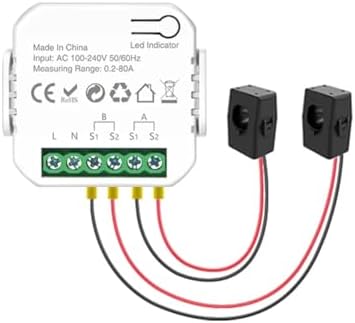
Smart energy monitors provide real-time information about electricity and gas usage.
Many UK households now have SMETS2 smart meters capable of supporting detailed consumption tracking.
Popular apps include:
- Loop
- Hugo
- Bright
These platforms show:
- Live energy use
- Historical trends
- Peak usage periods
- Appliance impact
Simply seeing energy consumption in real time often changes household behaviour.
Estimated Savings
5–10% overall energy reduction
For some households this equals:
£75–£200 annually
Typical Cost
Often included with smart meter installations.
Combining Multiple Gadgets for Maximum Savings
The biggest savings occur when several devices work together.
For example:
Heating System
- Smart thermostat
- Smart TRVs
Electricity Management
- Smart plugs
- Smart energy monitor
Water Efficiency
- Eco shower system
- Smart monitoring
Appliance Efficiency
- Air fryer
- Heated airer
- Smart washing machine
Combined savings can realistically exceed:
£400–£700 per year
depending on household size and usage habits.
My Experience
Having tested and researched numerous smart home products over the years, I’ve found that the gadgets delivering the best value aren’t always the most expensive or advanced.
The biggest savings usually come from addressing the largest areas of waste first:
- Heating
- Hot water
- Tumble drying
- Standby power
A smart thermostat made the most noticeable difference in monthly bills, particularly during winter. However, the surprise winner was a heated clothes airer, which dramatically reduced tumble dryer usage.
I’ve also found that energy-monitoring smart plugs quickly reveal hidden electricity costs. Devices that seem insignificant often consume more power than expected when left on standby around the clock.
For homeowners looking to maximise return on investment, focusing on practical efficiency rather than flashy features usually delivers the best results.
Key Takeaways
- Smart thermostats offer the largest overall savings.
- Smart TRVs improve heating efficiency room by room.
- Energy-monitoring smart plugs quickly identify wasted electricity.
- Eco shower systems provide excellent ROI.
- Air fryers can significantly reduce cooking costs.
- Heated clothes airers are a cost-effective alternative to tumble dryers.
- Smart energy monitors encourage long-term savings habits.
- Combining multiple devices can save hundreds of pounds annually.
- The best smart gadgets focus on efficiency rather than novelty.
- Most quality devices pay for themselves within one to two years.
Quick Comparison Table
| Gadget | Average Cost | Annual Savings | ROI |
|---|---|---|---|
| Smart Thermostat | £120–£220 | £150+ | 12–18 Months |
| Smart TRVs | £40–£70 each | £80–£200 | 1–3 Years |
| Smart Plugs | £30–£40 Pack | £35–£50 | 9–12 Months |
| Eco Shower System | £15–£60 | £150 | 3–6 Months |
| Air Fryer | £100–£250 | £30–£50 | 1–2 Years |
| Smart Kettle | £50–£150 | £15–£25 | 2–4 Years |
| Heated Clothes Airer | £60–£150 | £80–£120 | 1 Winter |
| Smart LEDs | £30–£200 | £15–£30 | 2–4 Years |
| Smart Washing Machine | £350+ | £20–£40 | Long-Term |
| Energy Monitor | Often Free | £75–£200 | Immediate |
UK Regulations & Safety Information
Before installing smart home equipment in the UK:
- Ensure electrical products carry a UKCA or CE conformity marking.
- Follow manufacturer installation instructions.
- Use qualified electricians for fixed electrical installations where required.
- Smart thermostats connected to boilers should be installed according to manufacturer guidance.
- Avoid overloading smart plugs beyond their rated capacity.
- Ensure Wi-Fi-connected devices receive regular firmware updates.
- Comply with local building regulations for heating and electrical modifications.
- Water-saving devices should not compromise safety or hygiene standards.
Always verify compatibility with your existing heating, electrical, and plumbing systems before purchasing.
Related Articles
- Smart Thermostats Compared: Hive vs Nest vs Tado
- Best Budget Security Cameras Under £50
- DIY Smart Home Wall Panel (LED + Acoustic Foam)
- Best Smart Lighting Systems for 2026
- Smart Home Automation Ideas for Beginners
- How to Reduce Energy Bills with Home Automation
- Best Smart Gadgets for Renters
- Home Energy Monitoring Explained
Disclaimer: This article is provided for informational and educational purposes only. Energy savings vary depending on property size, insulation quality, occupancy habits, energy tariffs, appliance efficiency, and individual usage patterns. Product features, pricing, and availability may change over time. Always conduct your own research before making purchasing decisions.
Affiliate Disclaimer: As an Amazon Associate, Elemon.co.uk may earn from qualifying purchases. This comes at no additional cost to you and helps support the website and future content.
Image Disclaimer: All images used in this article are for reference and illustrative purposes only. Actual products, colours, specifications, and features may vary depending on manufacturer updates and regional availability.