
My Experience with Smart Lighting Systems
Over the last few years, I’ve tested a variety of smart lighting products in both small flats and larger family homes. What started as a simple desire to control a lamp from my phone quickly evolved into a complete smart lighting ecosystem that automated daily routines, improved comfort, and even helped reduce energy consumption.
One of the biggest lessons I learned is that choosing the right ecosystem at the beginning matters. While budget Wi-Fi bulbs can work well for a single room, larger installations benefit significantly from dedicated smart lighting platforms such as Philips Hue or Matter-over-Thread systems. Reliability becomes increasingly important when dozens of devices are involved.
In my experience, Philips Hue continues to offer the smoothest overall user experience. Scene transitions are fluid, colours appear richer, and automation features are highly polished. However, the initial investment can be substantial, particularly when adding outdoor lighting, light strips, and accessories.
For users seeking maximum value, TP-Link Tapo products have been surprisingly impressive. The brightness output is excellent, setup is straightforward, and Matter compatibility provides flexibility for future smart home upgrades. They represent one of the best price-to-performance ratios currently available.
Nanoleaf Essentials stands out for users building a modern Matter-over-Thread network. Response times are exceptionally fast, and the mesh network improves as additional devices are added. In homes already equipped with a HomePod Mini, Google Nest Hub, or Thread-enabled smart speaker, Nanoleaf becomes an especially attractive option.
Perhaps the most significant change I’ve noticed is how smart lighting influences daily wellbeing. Automated warm lighting in the evening feels noticeably more relaxing than harsh white light. Likewise, brighter daylight-balanced lighting in the morning can help improve focus and productivity.
For anyone building a smart home in 2026, I strongly recommend investing in a future-proof ecosystem that supports Matter. It provides flexibility, reduces vendor lock-in, and ensures your lighting system can evolve alongside the rest of your smart home.
Affiliate Disclaimer; As an Amazon Associate, Elemon.co.uk earns from qualifying purchases. This comes at no extra cost to you. Product prices and availability are accurate at the time of publication but may change without notice. Please check Amazon for the latest information before purchasing.
Why Smart Lighting Matters in 2026
Smart lighting is no longer simply a convenience feature. Modern systems provide benefits across several important areas:
Energy Efficiency
LED smart bulbs consume significantly less electricity than traditional incandescent lighting. Many systems also offer scheduling, occupancy sensing, and automation features that help eliminate wasted energy.
Home Security
Automated lighting schedules can create the appearance of occupancy while you’re away. Combined with smart cameras and motion sensors, lighting can become an important component of a broader home security strategy.
Improved Comfort
Adaptive lighting systems can automatically adjust colour temperature throughout the day, creating environments that support concentration, relaxation, or entertainment.
Enhanced Home Value
Smart home technology continues to grow in popularity across the UK housing market. A professionally installed lighting ecosystem can contribute to a property’s modern appeal.
| Feature | Philips Hue | Tapo | Nanoleaf |
|---|---|---|---|
| Price | £££ | £ | ££–£££ |
| Hub Required | Yes (for best performance) | No (optional Matter hub) | No |
| Ecosystem Size | Very large | Medium | Medium |
| Colour Quality | ★★★★★ | ★★★★☆ | ★★★★☆ |
| Best For | Whole‑home lighting | Budget setups | Decorative lighting |
| Matter Support | Full | Full | Full |
| Accessories | Excellent | Basic | Limited |
Buying Guide: How to Choose the Best Smart Lighting System
Before investing in smart lighting products, consider the following factors.
1. Compatibility
Ensure the system works with your preferred smart home platform:
- Apple Home
- Google Home
- Amazon Alexa
- Samsung SmartThings
- Home Assistant
Matter-certified products offer the greatest flexibility.
2. Brightness
Brightness is measured in lumens.
Typical recommendations include:
- Bedroom: 400–800 lumens
- Living Room: 800–1,200 lumens
- Kitchen: 1,000–1,600 lumens
- Office: 1,000+ lumens
Brighter bulbs generally provide greater flexibility because brightness can always be reduced.
3. Colour Temperature
Lighting colour is measured in Kelvin (K):
- 2200K–2700K: Warm relaxing light
- 3000K–4000K: Neutral everyday lighting
- 5000K–6500K: Daylight and task lighting
Many premium smart bulbs allow dynamic adjustment throughout the day.
4. Connectivity Method
Wi-Fi
Pros:
- No hub required
- Simple setup
Cons:
- Can burden home networks with many devices
Zigbee
Pros:
- Reliable mesh networking
- Excellent for large installations
Cons:
- Usually requires a hub
Matter over Thread
Pros:
- Fast local communication
- Future-proof technology
- Self-healing mesh network
Cons:
- Requires a Thread Border Router
5. Expandability
Consider whether you may eventually want:
- Outdoor lighting
- Garden lighting
- Motion sensors
- Smart switches
- LED strips
- Entertainment syncing
A scalable ecosystem can save money in the long run.
Smart Lighting Trends Shaping 2026
Several emerging trends are redefining residential lighting design.
Architectural Lighting
Hidden LED strips within ceilings, coving, shelving, and cabinetry create sophisticated indirect lighting effects that were previously limited to luxury properties.
Human-Centric Lighting
Adaptive lighting schedules increasingly mimic natural daylight cycles, supporting wellbeing and reducing exposure to blue light before sleep.
Matter Adoption
Matter has become the dominant interoperability standard. Consumers can now combine devices from different manufacturers without sacrificing functionality.
Energy Monitoring
Many newer systems provide detailed electricity usage reports, helping homeowners understand and reduce energy consumption.
AI-Powered Automation
Artificial intelligence is beginning to influence smart home lighting, automatically adjusting brightness and scenes based on occupancy patterns, weather conditions, and time of day.
Best Smart Lighting Systems for 2026 (UK Guide)
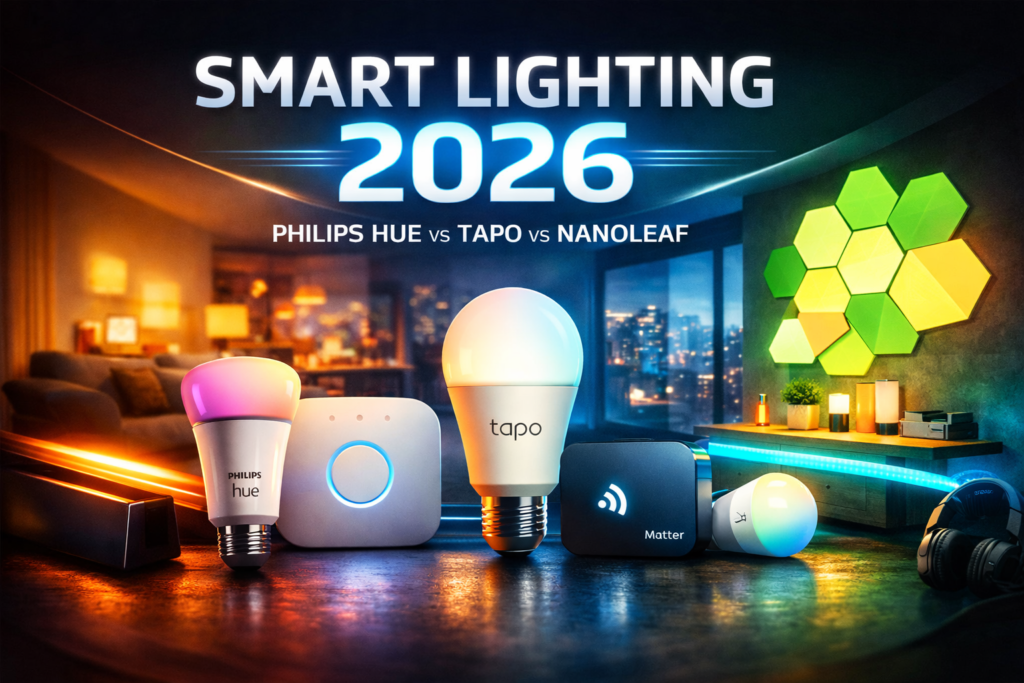
Philips Hue vs Tapo vs Nanoleaf
Quick Verdict
- Philips Hue → Best overall ecosystem, best colour accuracy, best app, best reliability.
- Tapo (TP‑Link) → Best value, great for beginners, excellent for renters, no hub required (but optional Matter hub improves performance).
- Nanoleaf → Best for design lovers, wall panels, ambience, and creative lighting setups.
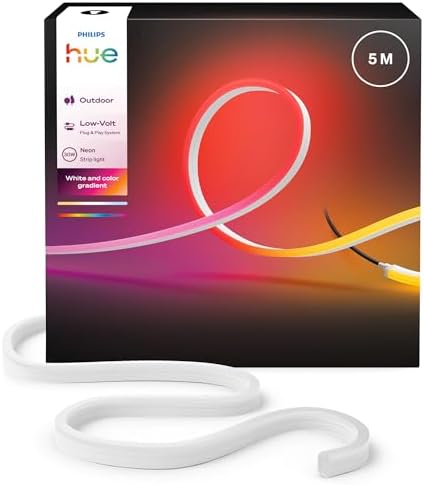
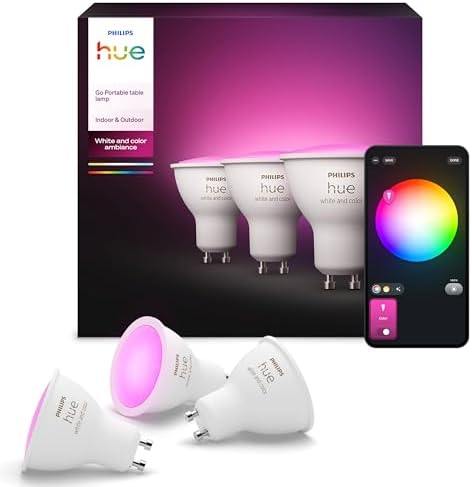
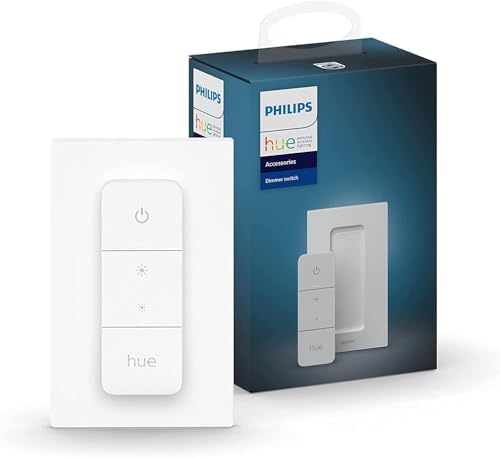
1. Philips Hue (2026) — Premium, Reliable, Still the King
Best for: Whole‑home lighting, advanced automations, colour accuracy, long‑term reliability.
Strengths
- Zigbee + Matter support for ultra‑fast response
- Hue Bridge still the most stable hub on the market
- Best colour reproduction (especially warm ambers & deep blues)
- Huge accessory ecosystem (dimmers, motion sensors, switches)
- Works flawlessly with Alexa, Google Home, Apple Home
Weaknesses
- Most expensive bulbs in the UK
- Requires a Hue Bridge for full performance
Ideal For
Homeowners, enthusiasts, and anyone building a long‑term smart‑home foundation.
2. Tapo Smart Lighting (2026) — Best Budget System
Best for: Beginners, renters, budget setups, simple automations.
Strengths
- Extremely affordable bulbs (often £7–£12)
- No hub required (Wi‑Fi bulbs), but optional Matter hub improves speed
- Tapo app is clean, fast, and improving yearly
- Great for lamps, bedrooms, and small flats
- Works with Alexa, Google Home, and Matter
Weaknesses
- Colour accuracy not as strong as Hue
- Wi‑Fi bulbs can slow down on congested networks
- Fewer accessories compared to Hue
Ideal For
Anyone wanting smart lighting without spending £200+ on a starter kit.


3. Nanoleaf (2026) — Best for Creative & Decorative Lighting
Best for: Aesthetic setups, gaming rooms, studios, ambience.
Strengths
- Stunning wall panels (Shapes, Lines, Skylight)
- Matter‑ready bulbs and strips
- Unique scenes, music sync, and dynamic animations
- Great for content creators and mood‑based lighting
Weaknesses
- Not ideal as your main lighting system
- Panels can be expensive
- App is powerful but slightly complex
Ideal For
Design‑focused users, gamers, YouTubers, and anyone wanting a “wow” lighting feature.


Which One Should You Choose?
Choose Philips Hue if…
- You want the most reliable system
- You’re building a full smart‑home ecosystem
- You want the best colour and dimming performance
Choose Tapo if…
- You want the cheapest smart lighting that still works well
- You’re in a flat or rental
- You want simple, fast setup with no hub
Choose Nanoleaf if…
- You want your lighting to be part of your interior design
- You want wall panels, Lines, or creative ambient lighting
- You’re building a gaming or studio setup
UK Regulations & Safety Information
When installing smart lighting products in the United Kingdom, homeowners should consider the following guidance:
- Electrical installations should comply with the current edition of the UK Wiring Regulations (BS 7671).
- Any modifications to fixed wiring should be carried out by a qualified electrician where required.
- Only use lighting products carrying appropriate UK conformity markings.
- Outdoor lighting should be rated appropriately for weather exposure and installed according to manufacturer recommendations.
- Avoid overloading existing circuits with additional accessories or transformers.
- Smart lighting systems should be connected to secure home networks protected by strong passwords and up-to-date firmware.
Always consult qualified professionals for electrical work beyond simple bulb replacement.
Key Takeaways
✓ Philips Hue remains the best premium smart lighting ecosystem for whole-home installations.
✓ TP-Link Tapo offers exceptional value and impressive brightness without requiring a dedicated hub.
✓ Nanoleaf Essentials is one of the strongest Matter-over-Thread solutions available in 2026.
✓ Matter compatibility is becoming essential for future-proof smart home investments.
✓ Adaptive lighting improves comfort, productivity, and evening relaxation.
✓ Architectural and indirect lighting designs continue to grow in popularity.
✓ Thread-based networking offers excellent reliability and scalability.
✓ Smart lighting can contribute to both energy savings and home security.
Related Articles
You may also enjoy:
- Smart Home Starter Kits for Beginners
- Best Budget Security Cameras Under £50
- DIY Smart Home Wall Panel (LED + Acoustic Foam)
- Smart Thermostats Compared: Hive vs Nest vs Tado
- Best Smart Home Devices for UK Homes in 2026
- Home Automation Ideas That Actually Save Time
- Ultimate Guide to Matter Smart Home Devices
Affiliate Disclaimer
Elemon.co.uk participates in the Amazon Services LLC Associates Program and other affiliate advertising programmes designed to provide a means for websites to earn advertising fees by linking to Amazon and affiliated websites.
As an Amazon Associate, we may earn from qualifying purchases. This comes at no additional cost to you. Prices, availability, ratings, and product specifications may change without notice. Always verify product details directly on Amazon before making a purchase decision.
General Disclaimer
The information provided in this article is for informational and educational purposes only. While every effort has been made to ensure accuracy at the time of publication, technology products, software features, specifications, pricing, and compatibility may change over time.
Readers should conduct their own research and consult qualified professionals where appropriate before purchasing, installing, or modifying electrical equipment or smart home systems. Elemon.co.uk accepts no liability for any loss, damage, or inconvenience arising from the use of information contained within this article.
All images are for reference purposes only. Actual products, colours, interfaces, and installation results may vary depending on manufacturer revisions, software updates, lighting conditions, and individual home environments.